 •
•Historical memory and collective heritage are the sum of the most tangible documents and aesthetic testimonies left by humanity from the past to the present. This selection, organized around the theme of Stone to Fire, brings together the technical, aesthetic, and intellectual heritage of the period, based on primary archival sources.
The rare works and historical documents carefully selected from museums around the world and open-access public collections are not merely chronological documents, but also fundamental reference sources that add depth to the field of art and cultural heritage.

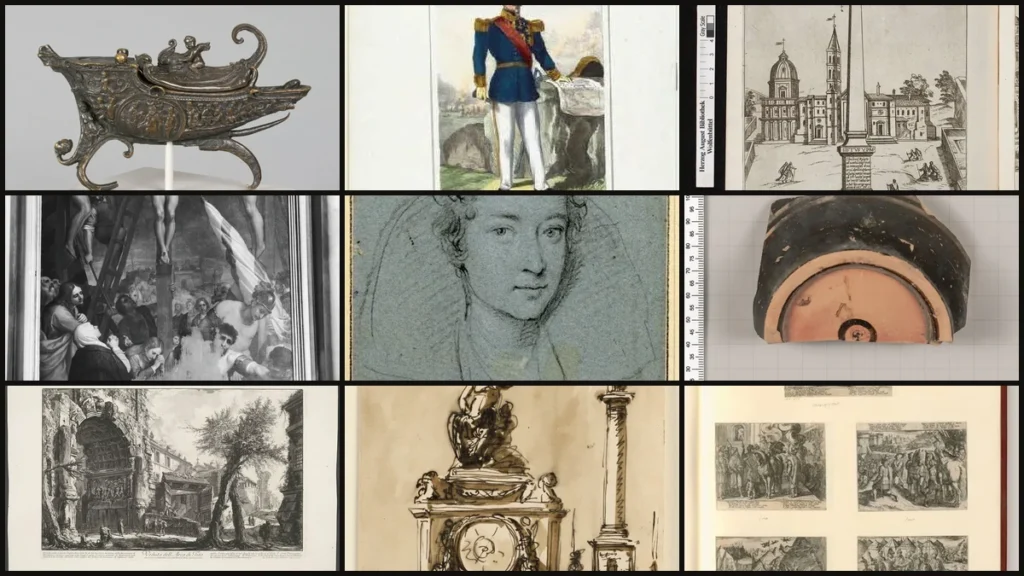
Riccio’s Cadogan Lamp: The Bronze Brilliance of the Venetian Renaissance in 1507

The year 1507 marked the peak of Venice’s golden age, a period during which the city had become the centre of Mediterranean trade, enjoying boundless wealth and cultural openness, and nurturing one of the most distinctive branches of the Venetian art of the Renaissance, which flourished in Italy. Andrea Briosco, known as Riccio, had grown up in the rich and cultured workshop environment of Padua, continuing the tradition of bronze sculpture inspired by antiquity. Riccio was particularly renowned for his luxury household objects, such as ornate lamps and vases, and produced works that adorned the collections of noble families and wealthy merchants. The Cadogan Lamp, which emerged as both a functional and an artistic object, reflects the cultural status and commitment to art of the aristocratic family that commissioned it. It is a vivid witness to the intense artistic interaction between Venice and Padua, and to the meeting of the ancient heritage with the Renaissance mentality.
Riccio’s masterfully crafted bronze lamp is a work that makes use of the technical possibilities of its time to the fullest. Created by casting molten metal into a mold using the lost wax technique (cire perdue), the piece features intricate details and deep reliefs. The figural and floral motifs on the surface draw on the rich heritage of ancient Roman and Greek art, offering a multilayered reading of the lamp. The decorations adorning the lamp’s body combine to create a play of shadows and glints when lit, adding both aesthetic and symbolic depth. Such decorations reflect the desire of the people of the period to connect the worldly beauty with the universal order. The functional aspect of the Cadogan Lamp allows it to be read as a status object as well, where light in the interior of a home represents both a practical necessity and a symbolic value of illumination.
Riccio’s Cadogan Lamp holds a special place in art history as one of the significant examples of Venetian and Paduan Renaissance bronze craftsmanship. The work is a vivid example of how ancient heritage was re-imagined during the Renaissance and how it was reflected in luxury household objects. Riccio’s mastery in this piece contributed to the development of the bronze casting technique that would influence later generations. Today, such works serve as important documents for understanding the fusion of art, wealth, and cultural values during the Renaissance. The Cadogan Lamp continues to hold its value as a living part of art history, conveying the aesthetic sensibilities of 500 years ago and the technical skills of its makers to visitors in museums.























Még nincsenek hozzászólások